Medallion with Turquoise: Evaluating Design, Material Quality, and Style Applications
The medallion with turquoise represents a distinct intersection of ornamental art history and contemporary jewelry design. Characterized by intricate filigree work, oriental motifs, and the vibrant contrast of gold or brass against blue-green stone, this accessory serves as both a fashion statement and a cultural artifact. For individuals researching this specific aesthetic, understanding the nuances between genuine craftsmanship and digital vector representations is essential. Whether evaluating a physical piece for personal wear or selecting graphic assets for creative projects involving luxury jewelry themes, a comprehensive assessment of materials, stylistic origins, and practical application ensures informed decision-making.
Defining the Aesthetic and Material Composition
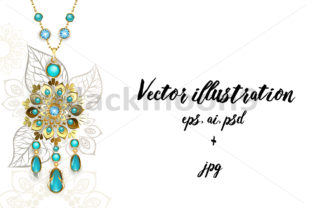
A medallion with turquoise is traditionally defined by its central focal point: a turquoise gemstone set within an elaborate metal frame. The surrounding metalwork often features arabesque patterns, floral sketches, or tribal ornaments that reflect Persian, Turkish, or Southwestern influences. In high-end bijouterie, these pieces utilize precious metals like gold or sterling silver with genuine turquoise inlay. However, the market also includes boho-style accessories made from brass or plated alloys with reconstituted or synthetic stones.
In the realm of computer graphics and vector art, this term also describes digital assets used for wedding invitations, wallpaper, or packaging design. These editable files (EPS, AI, PSD) replicate the shiny, metallic texture and ornate details of physical jewelry without the weight or cost. Distinguishing between the tangible accessory and the decorative graphic element is the first step in evaluation, as the criteria for quality differ significantly between physical gemstones and high-quality renders.
Reasons for Selection and Cultural Resonance
Interest in turquoise medallions typically stems from three primary drivers: aesthetic versatility, cultural appreciation, and symbolic value. The color palette of turquoise and gold provides a natural complement to a wide range of skin tones and fabric colors, making it a staple in both ethnic and modern wardrobes. From a design perspective, the ornate filigree offers visual complexity that simpler minimalist jewelry cannot achieve.
Culturally, these pieces often carry historical weight. Turquoise has been revered for millennia across various civilizations as a protective talisman and a symbol of wealth. Selecting a medallion with authentic tribal or oriental styling allows wearers to connect with these traditions. For designers and event planners, utilizing turquoise medallion vectors or illustrations taps into this established visual language, conveying elegance, heritage, and bohemian luxury without requiring physical props.
Evaluating Benefits and Tradeoffs
When considering a physical medallion with turquoise, buyers must weigh specific benefits against inherent tradeoffs. The primary benefit is uniqueness; due to the natural matrix variations in turquoise and handcrafted filigree, no two genuine pieces are identical. This exclusivity adds value for collectors and those seeking distinctive gifts for occasions like Mother’s Day or weddings.
However, tradeoffs exist regarding durability and maintenance. Turquoise is a porous, relatively soft gemstone (5-6 on the Mohs scale). It is susceptible to discoloration from oils, perfumes, and prolonged sun exposure. Ornate metal settings, while beautiful, can snag on delicate fabrics and require careful cleaning to prevent tarnish in the crevices of the filigree. Conversely, digital assets offer zero maintenance and infinite scalability but lack the tactile prestige and heirloom potential of physical jewelry. Buyers prioritizing low-maintenance daily wear might find genuine turquoise impractical, whereas those valuing artistic expression may accept the care requirements as part of the ownership experience.
Situational Fit: When This Style Aligns with Goals
The medallion with turquoise is a strong fit for specific contexts where visual impact and thematic consistency are paramount. In fashion, it excels as a statement piece for boho-chic, festival, or resort wear, where the ornate brass or gold elements enhance relaxed silhouettes. For formal events, a refined gold and turquoise pendant can add necessary color and cultural depth to evening attire, provided the metalwork is polished and the stone is high-grade.
In graphic design and print media, turquoise medallion vectors are ideal for projects requiring an "oriental luxury" or "ethnic elegance" theme. Wedding stationery, cosmetic packaging, and textile prints benefit from these pre-rendered elements, which provide complex shine and foil effects that would be time-consuming to create from scratch. If the goal is to evoke wealth, art, and tradition through visual shorthand, these assets are highly effective.
When to Consider Alternatives
Despite its appeal, this style is not universally appropriate. Individuals with active lifestyles or those working in environments with frequent chemical exposure should consider alternatives like jade, chalcedony, or treated quartz, which offer similar coloration with greater hardness and resistance. Minimalist aesthetics may clash with the busy nature of arabesque filigree; in such cases, a simple bezel-set turquoise stud or bar necklace provides the color without the visual noise.
For digital projects focused on modernity or corporate professionalism, ornate oriental medallions may appear dated or overly decorative. Geometric shapes or flat design elements might better serve brands aiming for a tech-forward or utilitarian image. Additionally, budget-conscious buyers seeking the look of luxury without the investment should evaluate high-quality cubic zirconia or enamel alternatives, which mimic the shiny gold and turquoise contrast at a fraction of the cost and risk.
Practical Decision-Making Insights
Making an informed choice requires verifying specific attributes based on whether the item is physical or digital. For physical jewelry, request documentation regarding stone treatment. Natural, untreated turquoise commands a premium but requires strict care; stabilized turquoise is more durable for daily wear; dyed or reconstituted stones are decorative only and hold little resale value. Examine the metal hallmarks to distinguish between solid gold, vermeil, and plated brass, as this dictates longevity and skin sensitivity.
- Stone Verification: Ask if the turquoise is natural, stabilized, or synthetic. Natural stones show unique matrix veining, while synthetics appear uniform.
- Metal Integrity: Check for secure prongs or bezels. Filigree should be soldered cleanly without sharp edges that indicate mass production.
- Digital Licensing: For vector assets, verify commercial usage rights. Ensure the file format (AI, EPS, PSD) matches your software capabilities and that the resolution supports intended print sizes.
- Style Cohesion: Assess whether the specific shade of turquoise and metal tone complements existing wardrobe items or brand color palettes.
Ultimately, the decision to acquire a medallion with turquoise should align with realistic expectations of use and care. By objectively evaluating material quality, stylistic relevance, and functional requirements, researchers and buyers can select pieces or assets that genuinely enhance their collection or project rather than serving as mere decorative placeholders.