Bringing Botanical History to Life: Using Vintage Floral Ephemera in Modern Crafting
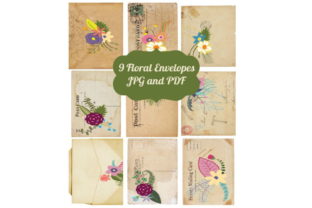
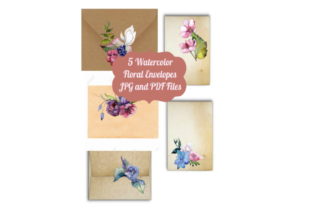
The tactile allure of antique paper goods has never truly faded, but accessing authentic pieces from the late 19th or early 20th century can be both expensive and logistically difficult. For artists, scrapbookers, and mixed media enthusiasts, the solution often lies in high-quality digital reproductions that capture the essence of the original without the risk of damaging fragile history. A curated collection featuring 5 Vintage Cards and matching ephemera envelopes with watercolor floral designs offers a perfect bridge between historical aesthetics and contemporary creative workflows. These digital assets allow for endless experimentation, providing the visual weight of aged paper with the flexibility of modern editing software.
The Technical Advantage of High-Resolution Digital Assets
When selecting digital collage sheets for physical crafting, resolution is the single most critical factor. The files associated with this collection are provided at 300dpi, which is the industry standard for professional printing. This density ensures that when you print these images onto cardstock, matte photo paper, or specialty decoupage tissue, the watercolor details remain crisp rather than pixelated. Lower resolution files often result in muddy colors and jagged edges once printed, which can ruin the illusion of vintage authenticity.
Receiving both a JPG collage sheet and a PDF version adds a layer of practical versatility to the workflow. While the JPG format is universally compatible with image editing software like Photoshop, Procreate, or GIMP, allowing for deep manipulation, the PDF serves as a reliable reference or a quick-print option for those who prefer not to edit. Because these files can be edited, resized, or altered, you are not locked into the original dimensions. You might need to scale down one of the 5 Vintage Cards to fit a miniature dollhouse scene, or enlarge a specific floral motif from an envelope design to serve as the focal point of a large canvas. This scalability transforms a static image into a dynamic design element.
Understanding Watercolor Florals in Ephemera Design
The specific aesthetic of watercolor florals on ephemera envelopes speaks to a rich tradition of botanical illustration and personal correspondence. Unlike rigid digital vectors, watercolor carries an organic unpredictability—bleeds, washes, and pigment granulation that suggest human touch. When incorporating these designs into your projects, it is helpful to understand their historical context to use them effectively. These envelopes were originally designed to hold letters, tickets, or seeds, meaning their layouts often feature central negative space or decorative borders intended to frame handwritten text.
In modern scrapbooking and journaling, this negative space is incredibly valuable. It provides a natural area for adding your own handwriting, stamped sentiments, or journaling blocks without obscuring the artwork. The softness of the floral palette also acts as a neutral background that supports, rather than competes with, other elements in your composition. Whether you are creating a heritage album or a modern art journal, these botanical backgrounds ground the page with a sense of calm and timelessness.
Practical Applications Across Creative Disciplines
The utility of receiving 5 Vintage Cards alongside coordinating envelope designs extends far beyond simple printing and pasting. Different crafting disciplines leverage these assets in unique ways, maximizing the value of the digital download.
- Decoupage and Furniture Restoration: The 300dpi resolution allows these florals to be used on larger surfaces. When sealing these prints onto wood or glass, the watercolor texture mimics hand-painted detailing. Using multiple copies of the same card in a repetitive pattern can create a custom wallpaper effect on drawer liners or box interiors.
- Card Making and Paper Engineering: Digital files allow you to print specific elements multiple times. You can fussy-cut flowers from the envelope designs to create dimensional layers, stacking them with foam adhesive to build depth. Having five distinct card designs means you can create a cohesive set of greeting cards where each piece feels related but unique.
- Digital Mixed Media: For artists who work primarily on tablets, these JPG files serve as textured overlays. Blending modes like "Multiply" or "Overlay" can integrate the vintage paper grain and floral pigments into digital paintings, adding analog warmth to digital creations.
- Altered Art and Book Binding: Ephemera envelopes are structurally significant in bookbinding. You can print these designs directly onto paper to fold into actual functional pockets within an altered book, maintaining the visual theme while adding interactive storage for tags or photos.
Navigating Editing and Customization
One of the primary benefits of working with editable JPG files is the ability to correct or enhance the vintage aesthetic to suit your specific project needs. Authentic vintage items often come with foxing, tears, or discoloration that may not be desirable in every context. With these digital files, you have total control. You can adjust the color balance to warm up cool-toned scans, increase contrast to make faded watercolors pop, or even clone-stamp away digital artifacts if necessary.
Furthermore, resizing capabilities mean you can extract individual elements. If only one rose cluster from the envelope design catches your eye, you can isolate it, remove the background, and use it as a standalone sticker or embellishment. This modular approach to using 5 Vintage Cards and ephemera ensures that no part of the digital sheet goes to waste. Artists frequently create "element libraries" from such sheets, saving cropped flowers, borders, and textures as transparent PNGs for future rapid assembly.
Material Considerations for Printing Vintage Styles
Achieving the look of genuine antique ephemera depends heavily on the substrate you choose for printing. While the digital file provides the image, the paper provides the soul. Standard bright white copy paper often looks too stark and modern for watercolor florals. Instead, consider using uncoated papers with a cream or ivory base. Matte presentation paper, textured linen paper, or even lightweight kraft paper can dramatically enhance the vintage feel of the printed 5 Vintage Cards.
For decoupage specifically, some crafters prefer printing on waterslide decal paper or specialized decoupage tissue. These materials allow the ink to sit closer to the surface of the object being decorated, reducing the visible edge of the paper. Since the source files are high-resolution, the delicate lines of the floral illustrations will hold up well even on these thinner, more absorbent media. Always perform a test print on your chosen material to check for color shifts; inkjet printers tend to produce richer, more saturated colors ideal for botanicals, while laser printers offer sharper lines but sometimes flatter color gradients.
Organizing Your Digital Ephemera Library
As your collection of digital vintage assets grows, organization becomes key to maintaining an efficient workflow. Because these files are versatile, you may find yourself returning to the same set of 5 Vintage Cards repeatedly for different projects. Creating a structured folder system based on color palette, era, or motif (e.g., "Floral," "Botanical," "Victorian") saves time during the creative process.
Additionally, keeping a "master copy" of the original 300dpi files separate from your working files is essential. Every time you resize or edit a JPG, some quality is lost through compression. By always starting from the pristine master file, you ensure that your hundredth project looks just as sharp as your first. This practice preserves the integrity of the watercolor details and ensures that the ephemera envelopes retain their realistic paper texture, regardless of how many times you revisit the collection.
Ultimately, integrating these digital vintage resources into your crafting repertoire offers a sustainable, cost-effective way to access beautiful historical designs. Whether you are restoring a piece of furniture, documenting family history in a scrapbook, or simply enjoying the meditative process of cutting and pasting, the combination of technical quality and artistic heritage found in these files supports a wide range of creative expressions. The ability to edit, resize, and reprint empowers makers to honor the past while fully utilizing the tools of the present.